What causes cataract?
Cataracts are caused by clouding of the eye's natural lens due to protein buildup.
The most common cause is aging, but it can also result from trauma, prolonged steroid use, diabetes, or UV exposure.
Genetic factors and smoking may increase the risk.
The cloudiness gradually reduces vision and can lead to blindness if untreated.
Early detection allows for timely correction with surgery.
Is cataract dangerous?
Cataracts are not immediately dangerous, but they can significantly affect daily life.
If untreated, vision continues to deteriorate, making it hard to read, drive, or recognize faces.
Over time, complete vision loss can occur.
Surgery is a safe and effective treatment that restores clear vision.
Early diagnosis ensures better outcomes with minimal risks.
Can cataract go away on their own?
No, cataracts do not go away or reverse naturally.
They usually progress slowly and worsen over time.
While glasses or brighter lighting may help initially, surgery is the only long-term solution.
The lens must be replaced to restore vision.
Regular eye checkups can help monitor progression and determine the right time for surgery.
Is laser surgery safe?
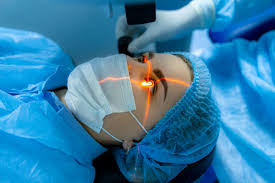
Yes, laser-assisted cataract surgery is safe and widely practiced.
It offers enhanced precision and reduces the risk of complications.
The procedure is minimally invasive and typically completed in under 20 minutes.
Recovery is faster and more comfortable than traditional methods.
It is one of the safest eye surgeries available with a high success rate.
Will there be pain after surgery?
Most patients experience little to no pain after cataract surgery.
Some mild irritation, dryness, or light sensitivity may occur for a day or two.
These symptoms are temporary and manageable with prescribed eye drops.
Avoid rubbing your eyes and follow all post-op care instructions.
Contact your surgeon if discomfort persists beyond a few days.
How long is the recovery?
Initial vision improvement is often noticed within 24–48 hours.
Most patients resume normal activities within 2–3 days.
Full recovery may take 2–4 weeks as the eye completely adjusts.
Follow-up visits ensure proper healing.
It's important to avoid water entering the eye and heavy exertion during early recovery.
Is the surgery covered by insurance?
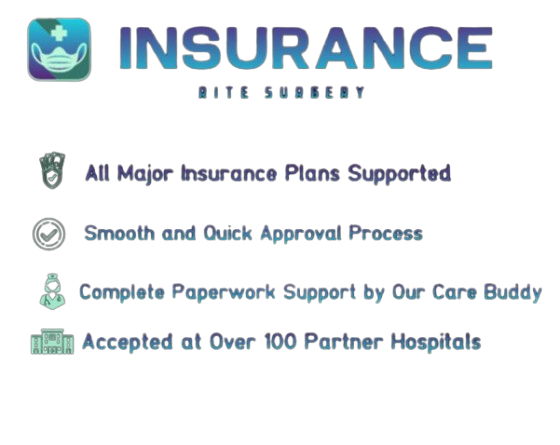
Yes, cataract surgery is usually covered by most health insurance plans, including government schemes.
This includes the cost of surgery, lenses, and hospital stay.
Premium lens options may require an additional payment.
Our team assists with claim approvals, documentation, and cashless coordination.
Check with your insurer for exact coverage details.
How long is the hospital stay?
Cataract surgery is a short outpatient procedure.
You will be discharged within a few hours after surgery.
No overnight stay is required unless there are unusual complications.
A brief recovery period at the hospital is followed by home rest.
Patients are advised to be accompanied by a caregiver on the day of surgery.
Can it come back?
Once a cataract is removed, it cannot come back.
However, a condition called posterior capsule opacification (PCO) can occur in some cases.
This can cause cloudy vision but is easily treated with a quick laser procedure.
Regular follow-up ensures any such issues are caught early.
Overall, the results of cataract surgery are long-lasting and stable.
What diet is good for recovery?
A nutrient-rich diet supports healing and long-term eye health.
Include green leafy vegetables, citrus fruits, carrots, sweet potatoes, and fish rich in omega-3.
Stay hydrated and avoid alcohol and processed foods.
Vitamins A, C, and E play a key role in eye tissue repair.
Consult your doctor if you have diabetes or other dietary needs.