What causes hernia?
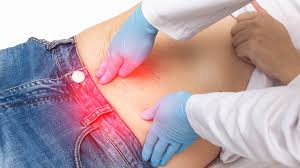
Hernias are caused by a weakness or opening in the abdominal wall that allows organs or tissues to bulge through.
Common triggers include heavy lifting, chronic constipation, persistent coughing, obesity, and previous surgery.
In some cases, hernias may be present from birth due to a congenital defect.
Poor core strength and physical strain can also contribute.
Lifestyle changes and timely medical attention help prevent worsening.
Is hernia dangerous?
A hernia isn’t always immediately dangerous, but it should not be ignored.
Over time, it can enlarge or lead to complications like strangulation, where the blood supply to the trapped tissue is cut off.
This can cause intense pain, tissue death, and requires emergency surgery.
Early treatment helps avoid serious complications.
Always consult a specialist if you notice a bulge or discomfort.
Can hernia go away on its own?
No, hernias do not heal without medical intervention.
While lifestyle changes may help manage symptoms temporarily, surgery is the only definitive cure.
Ignoring it may lead to increased pain and a larger bulge.
Watchful waiting may be advised in small, asymptomatic cases, but regular monitoring is key.
Consult your doctor to assess the right approach for you.
Is laser surgery safe?
Yes, laser-assisted hernia surgery is considered safe and effective.
It is minimally invasive, involving smaller cuts and quicker healing.
The risk of infection and blood loss is significantly reduced.
Patients often experience less post-op pain and return to work sooner.
Always ensure the procedure is done by a certified laparoscopic or general surgeon.
Will there be pain after surgery?
Some mild pain or discomfort is common after hernia surgery, especially around the incision site.
However, modern techniques like laparoscopic or laser surgery help reduce post-op pain.
Pain is manageable with medication and usually improves in a few days.
Follow your surgeon’s instructions for the best recovery experience.
Avoid strenuous activities until you're cleared.
How long is the recovery?
Most patients recover from minimally invasive hernia surgery within 1–2 weeks.
You can resume light activities in a few days, but avoid lifting heavy weights for at least 4–6 weeks.
Full recovery may take a little longer for open surgery.
Wearing a support belt, eating healthy, and staying hydrated can help.
Follow-up visits ensure you're healing as expected.
Is the surgery covered by insurance?
Yes, most health insurance policies cover hernia surgery, including laparoscopic and laser options.
It is generally classified as a medically necessary procedure.
Our support team can help you with insurance pre-approval, claim submission, and documentation.
Government schemes like Ayushman Bharat may also be applicable.
Reach out to verify your specific eligibility.
How long is the hospital stay?
Hernia surgery is usually done as a daycare procedure, especially when done laparoscopically.
Most patients are discharged on the same day or the next morning.
Observation may be extended for older patients or complex cases.
You'll be monitored for a few hours post-op before going home.
Instructions and medications are provided before discharge.
Can it come back?
Recurrence of a hernia is uncommon but possible, especially if the repair was under strain or healing was poor.
Factors like chronic coughing, heavy lifting, obesity, or poor muscle tone may contribute to recurrence.
Mesh-based repairs and laparoscopic methods reduce the chances significantly.
Adhering to post-surgery care is critical.
Maintain a healthy lifestyle and attend all follow-up checkups.
What diet is good for recovery?
A balanced, high-fiber diet is recommended after hernia surgery.
Include fruits, vegetables, whole grains, and legumes to avoid constipation.
Hydration is key—drink 2–3 liters of water daily.
Avoid spicy, oily, or hard-to-digest foods during the first week.
Light, easily digestible meals support healing and reduce strain during bowel movements.