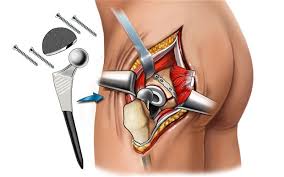
What causes the need for a hip replacement?
The most common cause is severe osteoarthritis, where the cartilage in the hip joint wears down over time.
Other causes include rheumatoid arthritis, avascular necrosis, or hip fractures from trauma or falls.
Chronic pain, stiffness, and loss of mobility are key symptoms.
When medications and physical therapy no longer help, surgery is considered.
Age, lifestyle, and joint damage severity determine the need.
Is hip replacement dangerous?
Hip replacement is a safe and routine orthopedic procedure with high success rates.
Like any surgery, it carries risks such as infection, blood clots, or implant issues, but these are rare.
Advances in surgical techniques and post-op care have minimized complications.
Choosing a skilled surgeon and following recovery protocols reduces risks.
Most patients experience life-changing improvements in pain and mobility.
Can hip problems go away on their own?
Minor hip discomfort can sometimes improve with rest, physical therapy, or medication.
However, in severe cases of joint degeneration, symptoms worsen over time.
Once cartilage is worn out, the damage is irreversible without surgery.
Delaying treatment may lead to reduced mobility or deformity.
A specialist can guide you on whether conservative treatment is still effective.
Is laser surgery used in hip replacement?
Traditional hip replacement doesn’t use lasers; it involves mechanical joint replacement with prosthetics.
However, robotic-assisted or computer-navigated techniques offer greater precision.
These are not “laser surgeries” but advanced, minimally invasive options.
They reduce muscle damage and promote faster recovery.
Always consult your orthopedic surgeon about the best method for your condition.
Will there be pain after surgery?
Some pain is expected after hip replacement, especially in the first few days.
It is effectively managed with medications, cold therapy, and gradual physiotherapy.
The discomfort reduces significantly within 1–2 weeks.
Most patients report better pain relief than before surgery.
Your care team will monitor your recovery and adjust pain management as needed.
How long is the recovery?
Initial recovery typically takes 4 to 6 weeks for most patients to resume light activities.
Full recovery, including strength and mobility, can take 3 to 6 months depending on age and health.
Physiotherapy is essential for proper healing.
Patients are encouraged to walk short distances early to regain movement.
Compliance with rehab guidelines ensures faster results.
Is the surgery covered by insurance?
Yes, hip replacement surgery is generally covered under most major health insurance policies.
Coverage may vary depending on your plan and hospital empanelment.
Cashless and reimbursement options are available at accredited hospitals.
Government schemes like Ayushman Bharat may also provide full support.
Our team will help with verification and claim filing.
How long is the hospital stay?
Most patients stay in the hospital for 2 to 4 days after hip replacement.
The duration depends on the surgical method and individual recovery.
Some minimally invasive procedures may allow discharge within 24–48 hours.
You'll receive care instructions, physiotherapy, and medications before leaving.
A follow-up appointment will be scheduled within a week.
Can it come back?
Hip replacement is designed to be a long-term solution, often lasting 15–20 years or more.
The condition it treats doesn’t “come back,” but the prosthetic may wear out over time.
Revision surgery may be required in some rare cases.
Maintaining a healthy weight and avoiding high-impact activities prolongs implant life.
Regular follow-ups help monitor implant function.
What diet is good for recovery?
A protein-rich and calcium-boosting diet supports bone healing and muscle repair.
Include lean meats, dairy, nuts, leafy greens, and vitamin D-rich foods.
Stay hydrated and avoid excessive sugar, salt, and alcohol.
High-fiber foods prevent constipation from post-surgery medication.
A nutritionist can help you create a recovery-friendly meal plan.