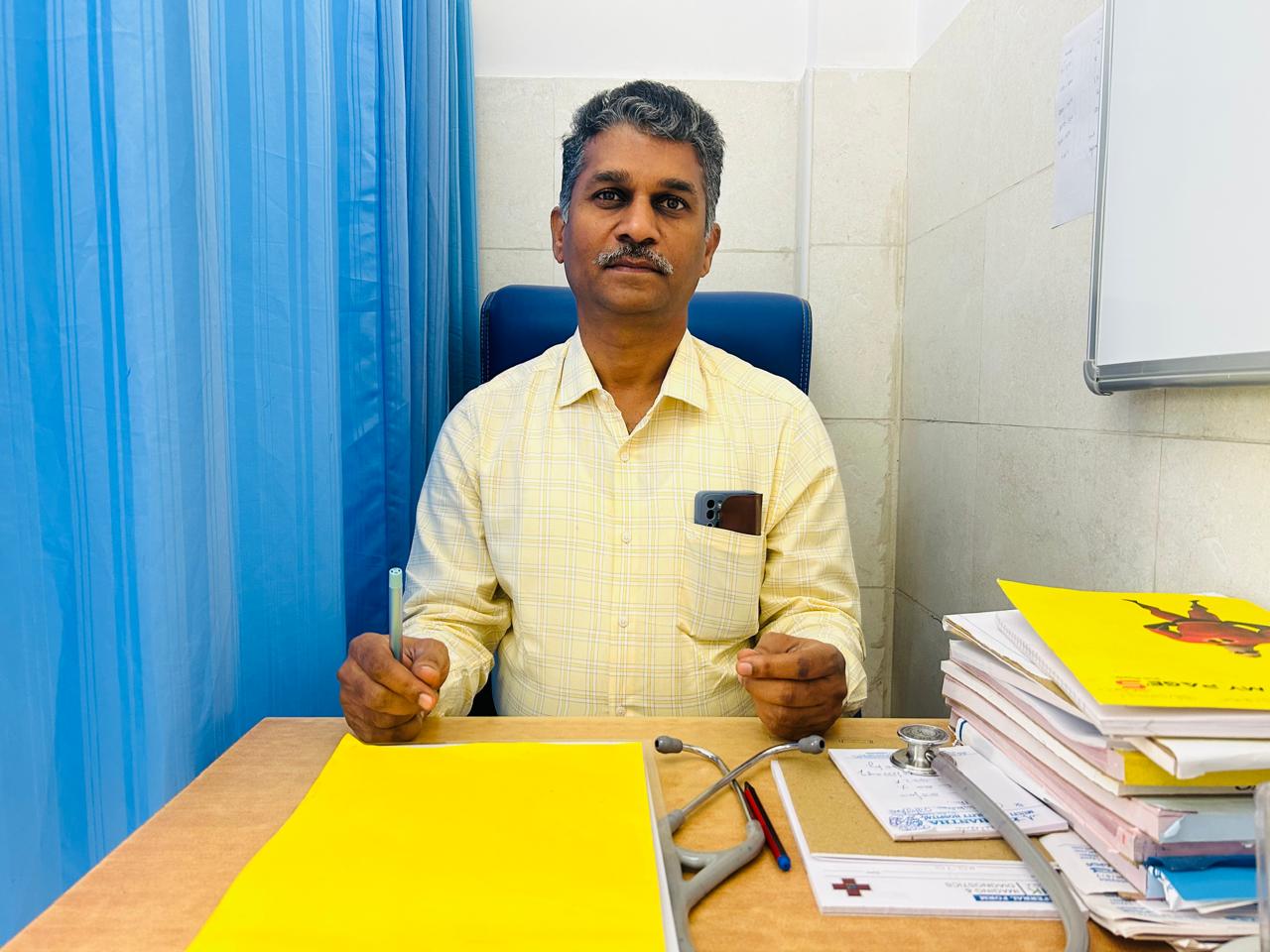
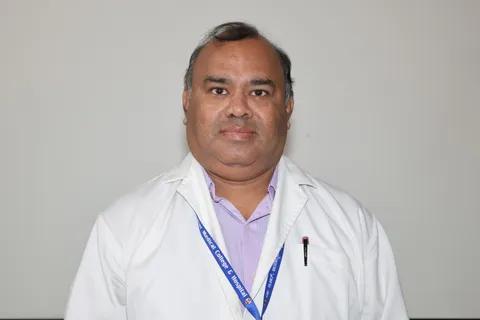
Book Your Consultant

Get Best Kidney stone Treatment in Bangalore:
Find Top Doctors at Affordable Costs

Experiencing sharp lower back pain or difficulty while urinating? These could be signs of kidney stones, and timely treatment is essential. At Rite Surgery, we offer specialized kidney stone removal procedures using advanced, minimally invasive techniques that provide fast and effective relief.

Our expert urologists are equipped with the latest technology to ensure accurate diagnosis and safe stone removal, whether itโ€™s via laser treatment or non-surgical methods. From consultation to recovery, our team ensures complete support including insurance guidance, pain-free care, and fast discharge.

  • โœ”๏ธ Painless Laser Stone Removal
  • โœ”๏ธ No Cuts or Scars
  • โœ”๏ธ Same-Day Discharge
  • โœ”๏ธ Complete Insurance Handling
  • โœ”๏ธ Free Pickup & Drop Facility
Kidney stone Treatment

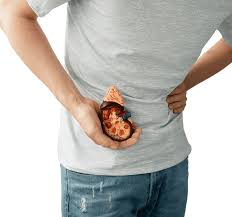
What is Kidney stone?

Kidney stones are hard deposits of minerals and salts that form in the kidneys. They can cause severe pain during urination and require medical treatment such as laser breaking or surgical removal.

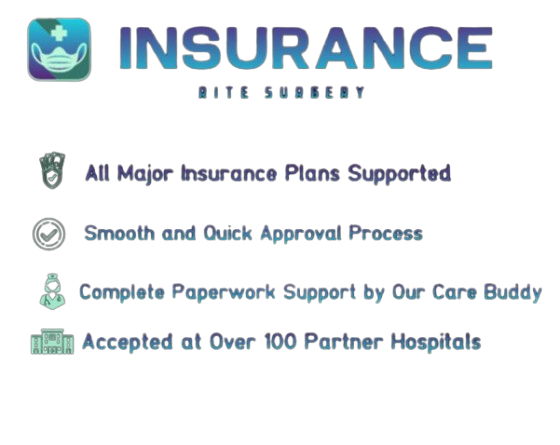
Insurance Banner
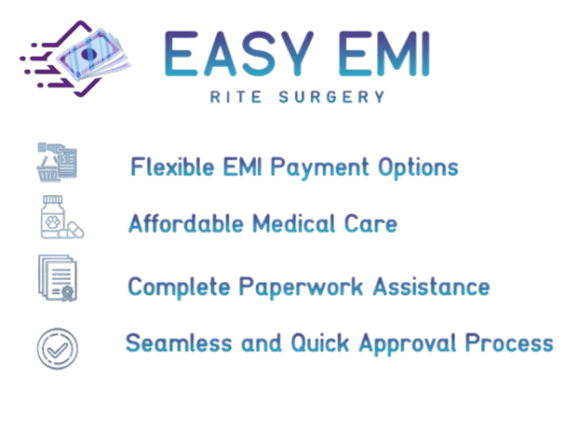
EMI Banner

Frequently Asked Questions

What causes kidney stones?

Kidney stones form when minerals like calcium, oxalate, or uric acid concentrate in the urine and crystallize. Common causes include low water intake, high-sodium diets, excess animal protein, and genetics. Some medical conditions like hyperparathyroidism or chronic UTIs may also lead to stone formation. A sedentary lifestyle and frequent dehydration can increase the risk. Preventive changes in diet and hydration are essential for long-term management.

Is kidney stone dangerous?

Most kidney stones are not life-threatening, but they can cause severe pain and complications if untreated. Stones can block urine flow, leading to infections or kidney damage. Larger stones may require surgical intervention. Prompt treatment reduces risks and prevents further issues. Always consult a urologist if you experience pain or blood in urine.

Can kidney stones go away on their own?

Small stones (less than 5mm) may pass naturally through the urinary tract with proper hydration. This process can take hours to days and may be painful. Larger stones often require medication or surgical procedures like laser lithotripsy. Your doctor will recommend imaging tests to decide the best treatment. Avoid waiting too long, as obstruction can damage the kidneys.

Is laser surgery safe?

Yes, laser lithotripsy is a safe and effective method for treating kidney stones. It involves using a laser to break stones into tiny fragments that can be passed naturally. The procedure is minimally invasive and typically done under local or general anesthesia. Recovery is quick, and hospital stay is short. Itโ€™s a preferred option for stones that can't pass on their own.

Will there be pain after surgery?

Mild discomfort or burning during urination may occur for a day or two after laser treatment. Some patients also experience blood in the urine, which usually resolves quickly. Pain is managed with medications and proper hydration. If a stent is placed, it may cause temporary irritation until removed. Contact your doctor if symptoms persist or worsen.

How long is the recovery?

Recovery after laser kidney stone surgery is typically fast. Most patients return to daily routines within 1โ€“3 days. If a stent is used, it may remain in place for up to 1โ€“2 weeks. Avoid heavy lifting, intense workouts, or dehydration during this period. Follow-up imaging may be recommended to confirm stone clearance.

Is the surgery covered by insurance?

Yes, most health insurance providers cover kidney stone treatment, including laser procedures. Both cashless and reimbursement options are available in network hospitals. Our team will assist you with eligibility, claim documentation, and pre-approvals. Government schemes like Ayushman Bharat may also apply. Always confirm coverage before scheduling surgery.

How long is the hospital stay?

Kidney stone surgery is usually a daycare or short-stay procedure. Patients are often discharged the same day or within 24 hours. If complications occur or stent placement is needed, the stay may be extended. Proper hydration and rest help reduce the need for prolonged hospitalization. Your doctor will advise based on the procedure and your condition.

Can kidney stones come back?

Yes, recurrence is common, especially without lifestyle or dietary changes. People with a history of stones should drink at least 2.5โ€“3 liters of water daily. Avoid foods high in oxalate (spinach, nuts) and reduce salt intake. Regular urine tests and scans help in monitoring. Medication may be prescribed in recurrent cases.

What diet is good for recovery?

Drink plenty of fluidsโ€”water is bestโ€”to help flush out any remaining fragments. Avoid salty snacks, soft drinks, and oxalate-rich foods like chocolate and beets. Eat calcium-rich foods (not supplements), fresh fruits, and vegetables. Limit red meat and processed foods that increase uric acid. A dietician can help tailor a stone-prevention meal plan.

MEET OUR RENOWNED SPECIALISTS

Consult With The Finest Doctors In Your City

Roadmap