What causes someone to need LASIK surgery?
LASIK surgery is recommended for people with refractive errors like nearsightedness (myopia), farsightedness (hyperopia), or astigmatism.
These conditions occur when the eye's shape prevents light from focusing correctly on the retina.
Genetics, prolonged screen time, or eye strain can contribute to worsening vision.
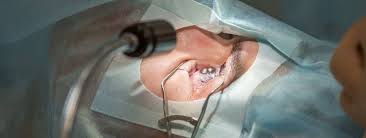
LASIK reshapes the cornea to correct these issues and reduce or eliminate the need for glasses.
An eye exam is required to assess eligibility.
Is LASIK surgery dangerous?
LASIK is a safe and FDA-approved procedure with a high success rate.
Complications are rare but can include dry eyes, glare, or temporary visual disturbances.
Most side effects resolve within weeks, and serious complications are very uncommon.
Choosing an experienced ophthalmologist reduces the risk significantly.
A pre-surgery evaluation ensures you're a good candidate.
Can vision problems corrected by LASIK go away on their own?
Refractive errors like myopia or astigmatism don’t typically improve on their own.
In fact, they may worsen over time without corrective lenses.
LASIK offers a permanent solution by correcting the shape of the cornea.
Non-surgical options include glasses or contact lenses, but they don’t address the root issue.
A stable prescription is needed before considering LASIK.
Is LASIK surgery truly safe?
Yes, LASIK is a widely practiced and minimally invasive procedure.
It uses laser precision to reshape the cornea with little to no discomfort.
The procedure takes about 15 minutes for both eyes and does not involve stitches.
Long-term complications are rare when post-op care is followed properly.
Millions of patients worldwide have had successful outcomes.
Will there be pain after LASIK?
Most patients experience little to no pain after LASIK surgery.
Some may feel mild irritation, burning, or tearing in the first few hours.
These symptoms are temporary and can be relieved with lubricating eye drops.
Resting your eyes and avoiding screens can help ease discomfort.
Your doctor will provide aftercare instructions and medications if needed.
How long is the recovery after LASIK?
Recovery is usually rapid, with most patients noticing improved vision within 24–48 hours.
You may resume daily tasks like working or driving within a few days.
Full visual stability can take 2–4 weeks.
Avoid swimming, eye rubbing, and direct sunlight for at least a week.
Follow-up visits are essential to monitor healing.
Is LASIK surgery covered by insurance?
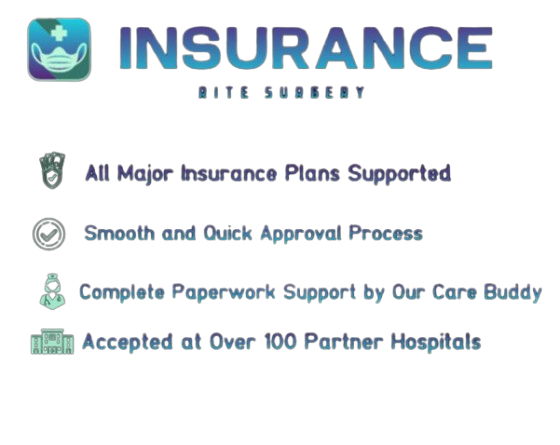
LASIK is often considered an elective or cosmetic procedure and is usually not covered by standard insurance plans.
However, some premium or vision-specific plans may offer partial reimbursement.
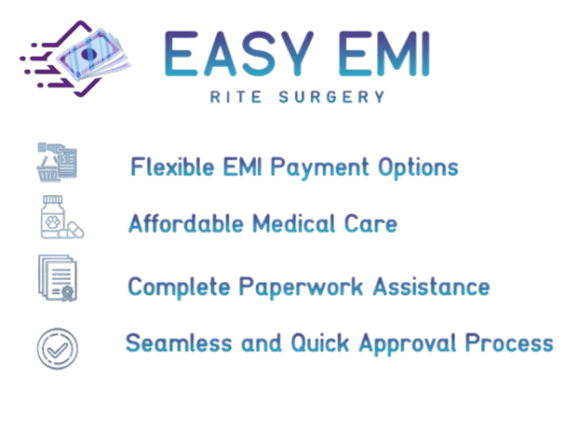
Many clinics offer EMI or financing options to make the surgery more affordable.
Always confirm with your provider before scheduling.
Tax benefits under health-related deductions may also apply.
How long is the hospital or clinic visit?
LASIK is an outpatient procedure and does not require an overnight hospital stay.
The actual surgery takes only 10–15 minutes, and you’ll spend around 1–2 hours at the clinic.
After a brief observation period, you’ll be discharged the same day.
Arrange for someone to drive you home post-procedure.
You’ll return for a follow-up the next day.
Can vision problems return after LASIK?
In most cases, the results of LASIK are permanent.
However, natural aging changes like presbyopia (near vision loss after 40) may still occur.
Rarely, minor vision changes may return and require enhancement surgery.
Maintaining eye health and annual checkups help monitor long-term vision.
Re-treatment, if needed, is typically simple and low-risk.
What diet is good for eye recovery?
Eat a balanced diet rich in vitamins A, C, and E for optimal eye healing.
Include carrots, spinach, bell peppers, citrus fruits, almonds, and fish like salmon.
Stay well-hydrated to support tear production and prevent dry eyes.
Avoid caffeine, alcohol, and overly salty foods in the initial days.
Eye-friendly nutrition supports faster and clearer recovery.