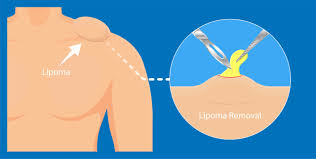
Noticing soft, fatty lumps under your skin? These are likely lipomas โ non-cancerous growths that are generally harmless but can grow larger or become uncomfortable over time. At Rite Surgery, we offer safe and precise lipoma removal procedures, performed by skilled surgeons in top-rated hospitals and clinics across Bangalore.
Our approach ensures minimal scarring, fast healing, and complete patient comfort. Whether it's a single growth or multiple lipomas, we provide advanced treatment options tailored to your condition โ along with full insurance support and easy EMI plans.
Lipoma is a soft, fatty lump that grows under the skin. It is typically non-cancerous and painless, and can be removed surgically if it causes discomfort or increases in size.
Lipomas are benign (non-cancerous) fatty lumps that form under the skin. The exact cause is unknown, but they may be hereditary or linked to minor injuries. Lipomas are composed of fat cells and tend to grow slowly over time. They are most common in middle-aged adults and people with a family history. Theyโre generally painless unless pressing on nerves or tissues.
Most lipomas are harmless and not dangerous. They rarely become cancerous or cause complications. However, if a lipoma grows rapidly, becomes painful, or restricts movement, it should be evaluated. In rare cases, it could be a liposarcoma (a malignant tumor), requiring biopsy. Regular check-ups help ensure accurate diagnosis and peace of mind.
No, lipomas typically do not shrink or disappear without intervention. While they may remain stable in size for years, they can also grow gradually. Surgical or laser removal is the only effective way to get rid of a lipoma. If itโs small and painless, observation may be enough. Removal is usually recommended for cosmetic reasons or discomfort.
Yes, laser-assisted lipoma removal is safe and minimally invasive. It involves a small incision and uses focused laser energy to remove the fatty tissue. Thereโs minimal bleeding, less scarring, and faster recovery compared to traditional methods. It is generally done under local anesthesia. A skilled surgeon ensures the procedure is quick and low-risk.
Mild discomfort or tenderness is common after lipoma removal. Pain is typically well managed with over-the-counter painkillers. The incision area may feel sore for a few days, especially if the lipoma was large or deep. Swelling and bruising may occur but resolve within a week. Always follow your surgeonโs aftercare advice for smooth healing.
Most patients recover fully within a few days to a week after surgery. You can resume daily activities within 24โ48 hours if advised by your doctor. Avoid heavy lifting or exercise for at least a few days post-procedure. Keeping the area clean and dry helps prevent infection. Follow-up visits ensure proper wound healing.
Insurance coverage depends on the reason for removal. If itโs medically necessary (e.g., causing pain or interfering with function), most insurers cover the procedure. Cosmetic removal may not be covered. Our team can help check pre-approvals, documentation, and claim process. Government schemes may apply in some cases.
Lipoma removal is an outpatient procedure and usually does not require hospital admission. The surgery is typically done in under 30โ60 minutes depending on size and number. You can go home the same day after a brief recovery period. A dressing is applied and post-op care instructions are provided. In rare cases, observation may be extended for large or multiple lipomas.
Recurrence of lipoma is rare but possible, especially if the entire capsule was not removed. New lipomas may form in other areas if the person is genetically prone. Choosing an experienced surgeon helps minimize the chance of recurrence. Regular follow-up helps detect any regrowth early. Healthy lifestyle and weight maintenance may also help.
Eat a balanced, anti-inflammatory diet rich in vegetables, fruits, lean protein, and healthy fats. Include foods like berries, nuts, leafy greens, and omega-3 rich fish to support healing. Drink plenty of water and avoid excess sugar, processed food, and alcohol. Good nutrition promotes faster recovery and tissue repair. Follow your doctorโs advice if you have other health conditions.
Consult With The Finest Doctors In Your City
MBBS MD
MBBS MD
MBBS MS
MBBS, MD
MBBS MS
MBBS MS