Book Your Consultant

Get Best Varicocele Treatment in Bangalore:
Find Top Doctors at Affordable Costs

Experiencing dull pain, swelling, or discomfort in the scrotum? It could be varicocele β€” a condition caused by enlarged veins in the testicles that can affect fertility and quality of life. At Rite Surgery, we specialize in minimally invasive varicocele treatments that provide quick relief and preserve long-term reproductive health.

Our experienced urologists use advanced laparoscopic and laser-assisted techniques that are highly safe, scar-free, and involve very short recovery periods. From diagnosis to discharge, our team ensures full support β€” including insurance coordination and post-op guidance.

  • βœ”οΈ Minimally Invasive, Safe Procedures
  • βœ”οΈ No Stitches, Minimal Pain
  • βœ”οΈ Fertility-Safe Surgery Options
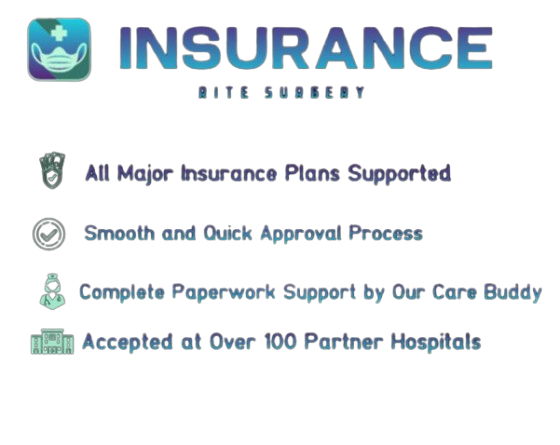
  • βœ”οΈ Covered Under Insurance
  • βœ”οΈ Free Pickup & Drop Services
Varicocele Treatment

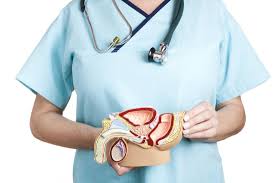
What is Varicocele?

Varicocele is the enlargement of veins within the scrotum and can affect male fertility. Treatment includes minimally invasive procedures to seal off affected veins.

Insurance Banner
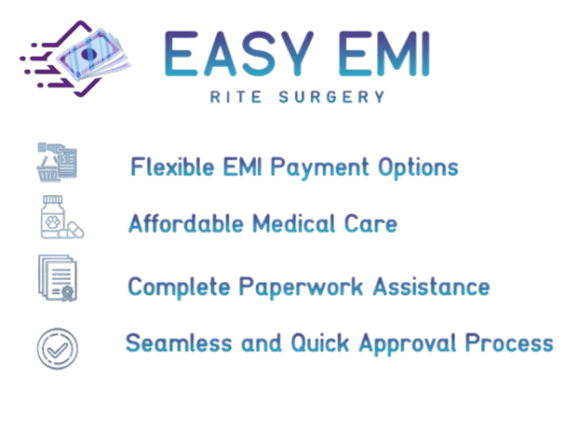
EMI Banner

Frequently Asked Questions

What causes varicocele?

A varicocele is caused by enlarged veins within the scrotum due to poor functioning of valves in the spermatic cord. These faulty valves allow blood to pool, leading to vein swelling. It’s more common on the left side due to anatomical differences in vein drainage. Risk factors include prolonged standing, heavy lifting, and genetic predisposition. Most cases are diagnosed during routine checkups or fertility evaluations.

Is varicocele dangerous?

Varicocele itself is not life-threatening but can impact quality of life and fertility. It may lead to pain, discomfort, or testicular shrinkage over time. In some men, it affects sperm production and motility, contributing to infertility. Early evaluation can prevent complications. Treatment is recommended if symptoms are bothersome or fertility is a concern.

Can varicocele go away on its own?

Small, asymptomatic varicoceles may not require treatment and can be monitored. However, they usually do not go away on their own. Symptoms like pain, swelling, or infertility often necessitate medical intervention. Conservative management includes scrotal support and pain relief. Surgery or embolization is considered for moderate to severe cases.

Is laser surgery safe?

Yes, laser or minimally invasive varicocele surgery (such as laparoscopic or microscopic varicocelectomy) is safe and effective. It allows for precise identification and ligation of affected veins with minimal trauma. The procedure has a high success rate and low recurrence risk. Most patients recover quickly with fewer complications. It's performed under local or general anesthesia by trained urologists.

Will there be pain after surgery?

Mild pain or soreness is normal after varicocele surgery. Discomfort typically subsides within a few days and is easily managed with medication. Ice packs and scrotal support garments can help reduce swelling. Most men return to light activity in 48–72 hours. Persistent or worsening pain should be reported to your doctor.

How long is the recovery?

Recovery usually takes 1–2 weeks for most daily activities. Strenuous exercise or heavy lifting should be avoided for 3–4 weeks. Fertility improvement may take 3–6 months post-surgery. Wearing scrotal support and avoiding strain help ensure a smooth recovery. Follow-up visits are important to monitor healing and outcomes.

Is the surgery covered by insurance?

Yes, varicocele surgery is typically covered by most health insurance plans, especially when medically indicated. Coverage includes laparoscopic or microscopic procedures if done in a network hospital. Fertility-related procedures may need extra documentation. Our team can help with insurance approvals and preauthorization. Cashless and reimbursement options are available at leading hospitals.

How long is the hospital stay?

Most varicocele surgeries are daycare procedures, meaning you can go home the same day. Some patients may stay overnight based on medical condition or type of anesthesia used. The procedure typically takes 1–2 hours. After a short observation, discharge instructions are provided. A follow-up is scheduled within 7–10 days.

Can it come back?

Recurrence of varicocele is rare, especially with microsurgical or laparoscopic techniques. However, in some cases, incomplete vein closure or collateral formation can lead to recurrence. Following post-op guidelines and avoiding heavy lifting reduces the risk. Regular follow-ups help detect and manage any recurrence early. Revision surgery is rarely required.

What diet is good for recovery?

A fiber-rich and anti-inflammatory diet supports healing after surgery. Include leafy greens, fruits, nuts, whole grains, and plenty of water to prevent constipation. Avoid heavy, oily foods and excessive caffeine or alcohol. Hydration helps reduce swelling and supports vascular health. Light, nutritious meals aid in overall post-op recovery.

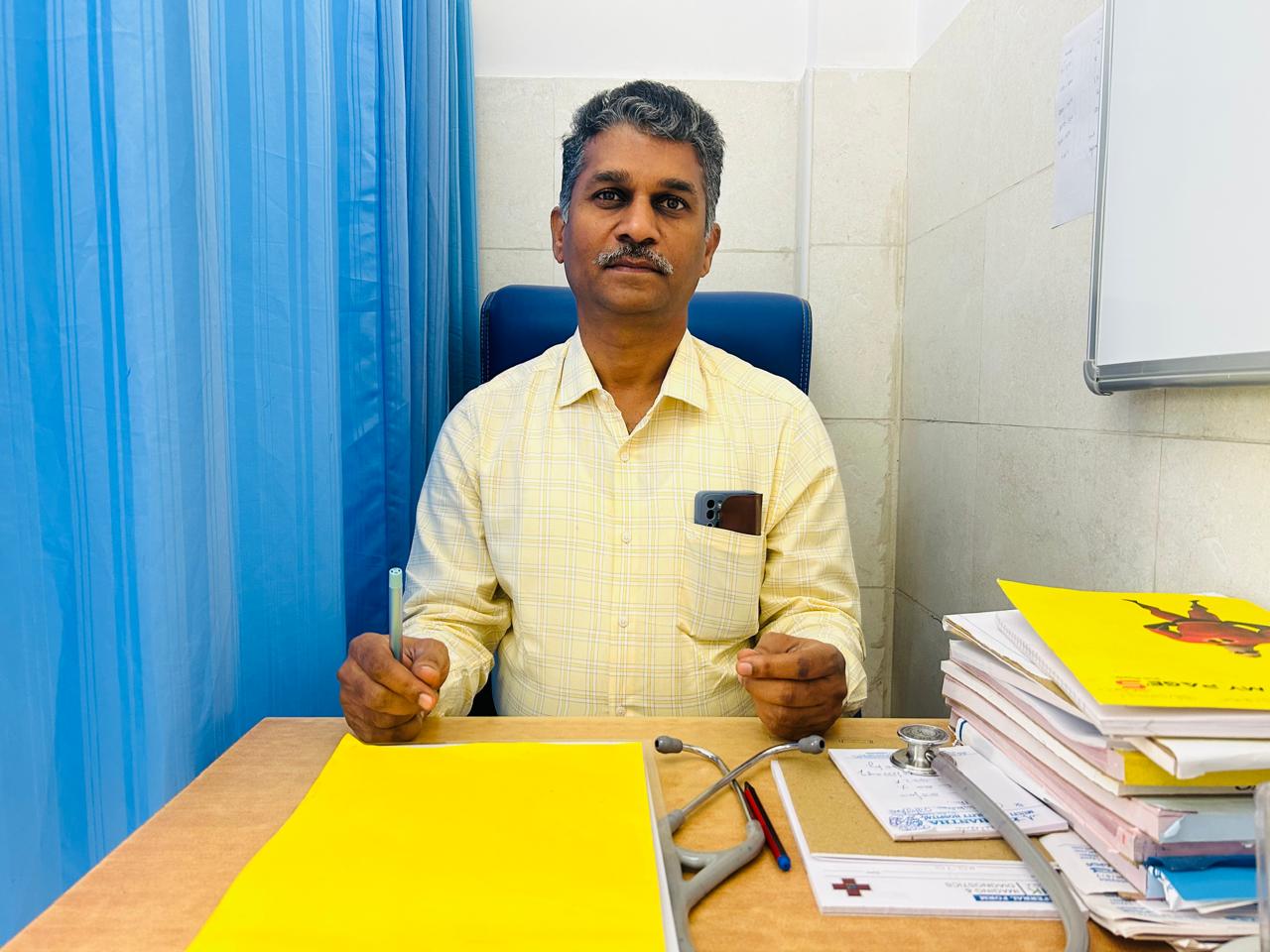
MEET OUR RENOWNED SPECIALISTS

Consult With The Finest Doctors In Your City

Roadmap